Why Every Classroom Needs the Arts
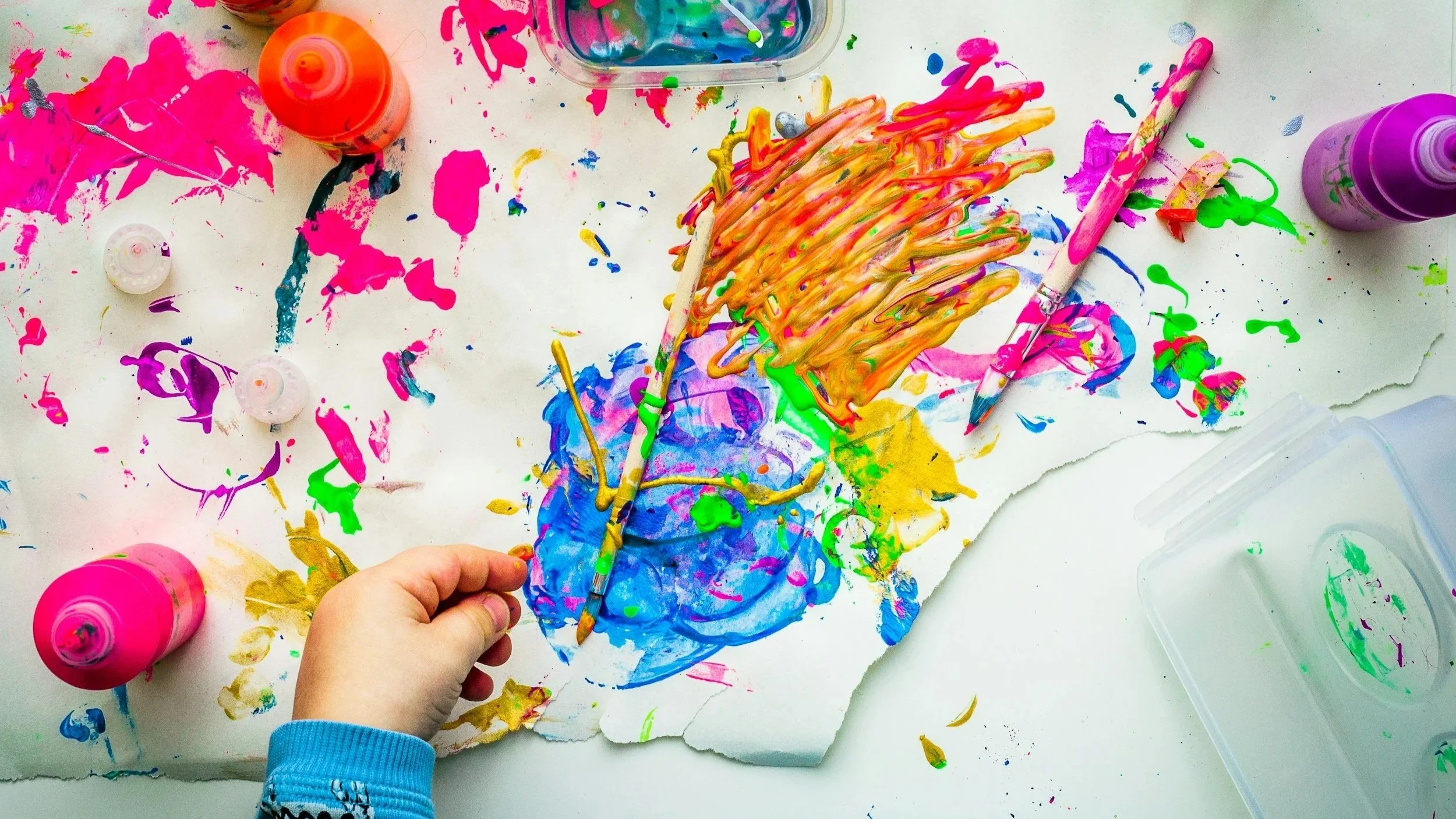
How Arts Integration Strengthens Literacy, Math, and Critical Thinking
For years, the arts have often been treated as extras—nice to have, but not essential like reading or math. But here’s what we’ve learned from research and talking to teachers: when students engage with the arts regularly, they become stronger readers, better problem-solvers, and more thoughtful learners.
Arts integration doesn’t replace traditional instruction—it strengthens it. By incorporating music, visual arts, movement, and storytelling into academic lessons, educators open new paths for students to understand more clearly and succeed at every grade level.
How the Arts Support Literacy
Literacy isn’t just decoding words on a page. It’s about understanding what you read, communicating ideas, and connecting with others—and the arts tap into all of that.
Theater and storytelling get kids thinking about characters, perspectives, and what stories really mean. Visual arts push them to observe closely and find the right words to describe what they see. And music? It helps young readers hear sounds in words, remember what they’ve learned, and build fluency. All of this sticks with them.
Strengthening Math Through Creativity
You might not think of math and art as connected, but they actually share a lot in common: patterns, structure, and problem-solving.
Visual arts reinforce geometry, symmetry, and measurement. Music teaches fractions and ratios in ways that make sense. Movement lets kids physically experience sequencing, timing, and scale. When math lessons include the arts, abstract concepts become concrete—and kids who usually struggle start to get it.
Building Critical Thinking Skills
The arts make kids curious. They start asking questions, making choices, and figuring out what works. They learn to look at problems from different angles, accept that there’s not always one right answer, revise their thinking, and articulate their ideas. Those are the skills that matter—in school and beyond.
There’s something else, too. Arts integration reaches kids on multiple levels—intellectually, emotionally, and socially. Creative classrooms naturally encourage curiosity, teamwork, and inclusion. Different kinds of learners get their moment. And when students feel that connection, learning stops feeling like a checklist and starts feeling meaningful.
A Core Part of Learning
So the real question isn’t whether the arts belong in schools—it’s how we make room for them. When we treat the arts as essential rather than extra, we give students tools that help them learn better and grow in ways that matter.
